
From talking about inclusion to putting it into action.
Inclusion is the key to better teamwork.
Team members who experience inclusion are nearly three times more likely to be enthusiastic and committed to their organization. Working inclusively is not only more enjoyable, but also essential if you truly want to understand and serve your customers, clients, or market.
Yet real inclusion requires effort. Our brains don’t always cooperate: they naturally think in boxes and stereotypes and seek ways to belong. This is human, but it often results in others being excluded—ultimately harming team performance.
Maybe, as a colleague or leader, you’re already doing your very best—and still feel your team could do better. You’re probably right. Diversity starts with hiring, but inclusion requires daily action. Not just in the boardroom, but especially on the work floor. The good news is: you can make a difference, step by step.
We help you turn intentions into action. We offer two pathways: the playbook, designed to help teams open up conversations about inclusion in an accessible way, even if they have no prior expertise, and a program in which we guide you to turn micro-inclusions into lasting habits.
Micro-inclusions
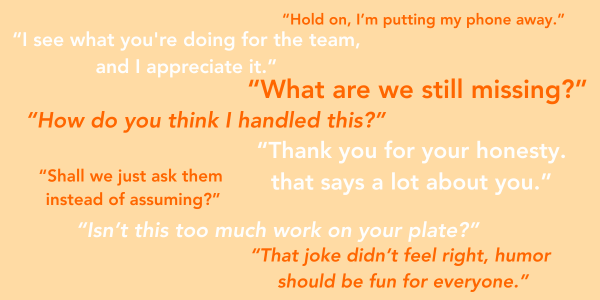
What if the path to more inclusion didn’t start with policy, but with a single sentence?
Not with a slogan, but with a comment by the coffee machine.
Not with a strategy, but with a simple “what do you think?”
Not with a policy document, but with a look of recognition.
Inclusive teams don’t just happen. They grow from a culture where everyone is allowed to contribute. In that kind of culture, it’s often the small moments that make the biggest difference.
These are micro-inclusions: small, intentional actions that make colleagues feel seen, valued, and involved. Not during official meetings, but in between. In an aside. In a posture. In a silence where someone finally dares to speak up. Inclusion starts with action. With what you say, what you hold back, and what you choose to notice.
Micro-inclusions are simple
They’re not grand gestures, but they do make an impact. A small act of kindness triggers feel-good hormones, not just in the person receiving it, but also in the one giving it and even in those who witness it.
The result? Employees who feel recognized contribute up to 35% more to their organization.
From good intention to lasting habit
Let us help you turn your team, not into perfect colleagues, but into habit builders.
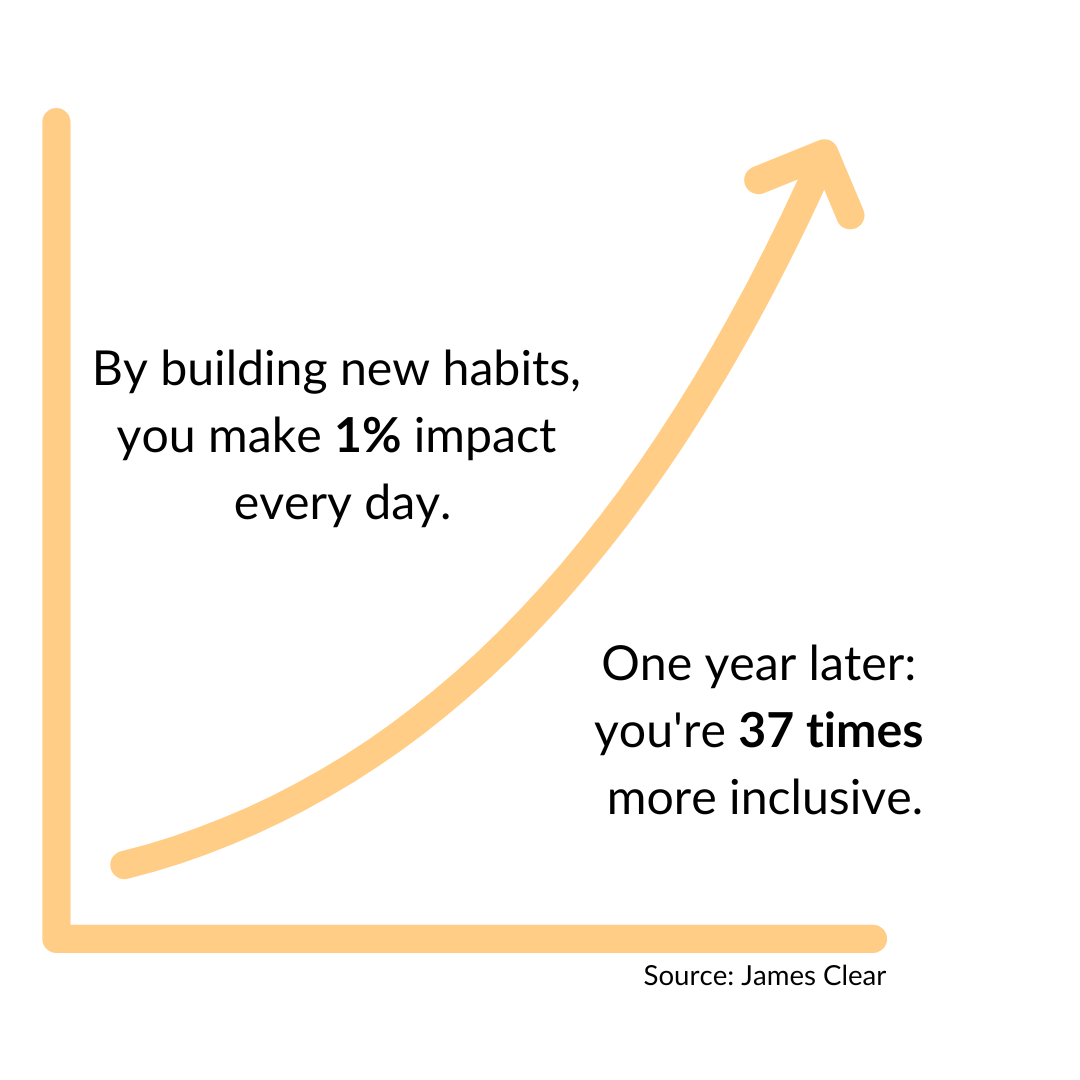
By growing inclusion through habits, you create space for it to succeed.
With small habits, you can train your brain to build an inclusive reflex.
That’s exactly why a micro-inclusion habit works so well: it’s small, but it sticks.
Behavior expert Emmalotte helps teams embed micro-inclusions into everyday moments.
So that a one-time compliment becomes a pattern.
So that attention is no longer the exception.
So that checking in becomes second nature.
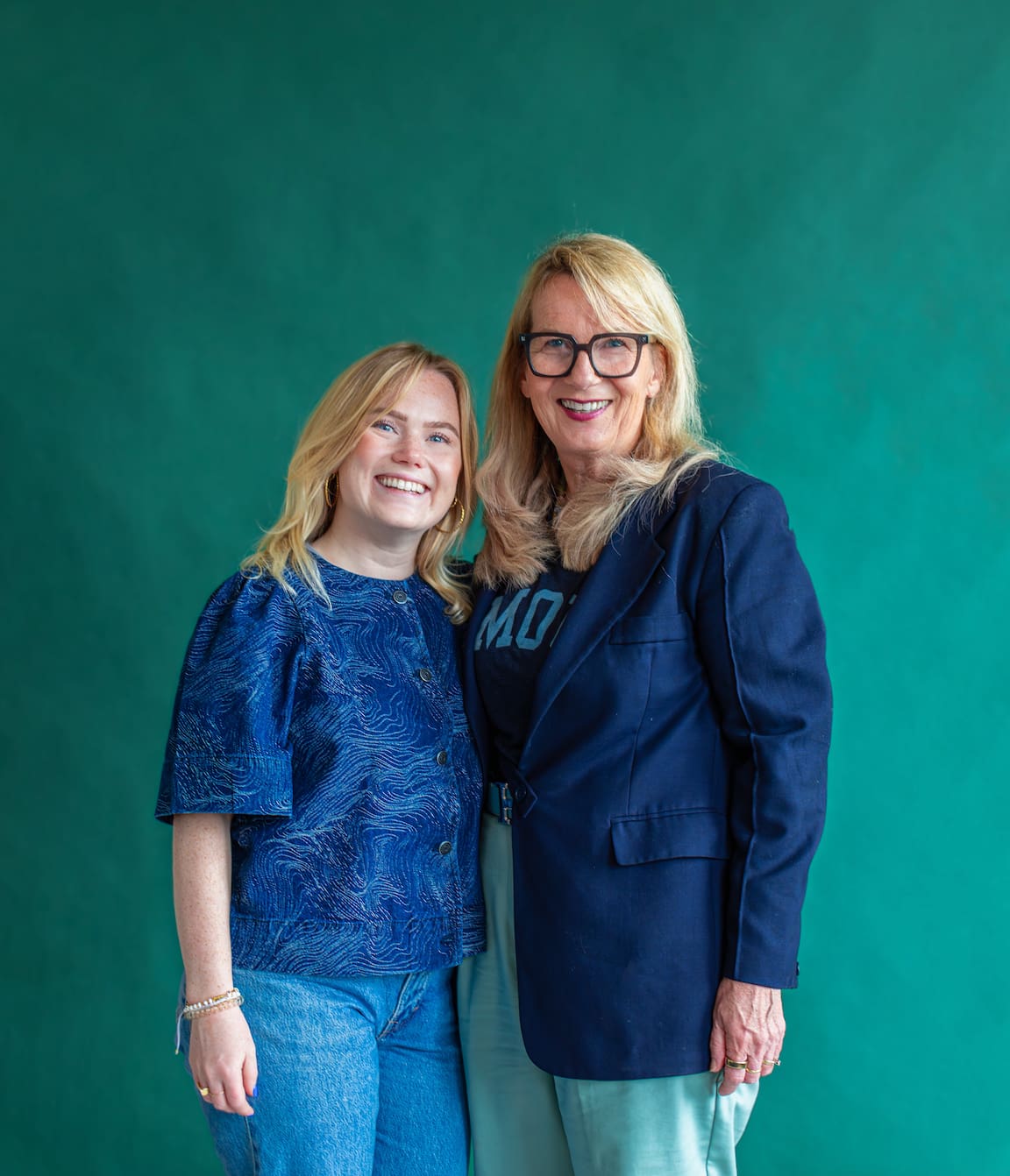
Emmalotte Smit & Esther Mollema
Why does it work?
- Because once something becomes a habit, you do it automatically, even when you’re low on time or energy.
- Because habits are contagious (the good ones just as much as the bad).
- Because habits start small but have a big impact, on your culture, on others, and on yourself. They convince your brain that inclusion is worth the effort.
And it pays off:
+76% increase in sense of belonging
+71% boost in energy and engagement
+73% greater commitment to achieving better results
& lower turnover, more psychological safety, increased creativity, and better collaboration.
Want to know how to apply this in your team or organization? Listen to the podcast on habits right here.
Get started right away with the #InclusionInAction Micro-Inclusion Card Game or the 30 Seconds a Day to More Inclusion Challenge.
Or get in touch below so we can integrate micro-inclusions into your training.
What is the #InclusiveAction Card Game ?

What is the 30 Seconds A Day to More Inclusion Challenge?
You’ll learn how to negotiate with your inner critic, how to deal with fluctuating motivation, how to smartly embed your chosen micro-inclusion into your routine, and how to bring your team along on your mission. All in bite-sized messages you can read in just 30 seconds.
Stuck or have a question? Just drop it in the chat, we’re here to help you out.

Playbook

Want to start the conversation about inclusion in your team, but not sure how? We offer themes and exercises that give you, as a leader, the tools to get started with your team, even if you don’t (yet) consider yourself an inclusion expert.
This workbook helps you get to know each other better and gain insight into how you work together. Why do we do things the way we do? How are they being done? How does everyone experience this? And how do others experience you as a leader?
The themes of the playbook are:
-
Raising awareness
-
Psychological safety
-
Ensuring engagement
Who does it work?
We developed the Playbook with you as a leader in mind. You’ll receive the background information needed to build confidence in the topics and to involve every colleague in the conversation. All exercises are designed for team use and encourage dialogue, exchange, and shared learning.
Example of a snippet from an exercise on unconscious bias.
Start the dialogue after watching the video: Discuss how possible unconscious biases show up in our personal lives and at work. How do these biases manifest? What impact do they have on people and their decisions? What can we do together to address them?
More information?
Get in touch via the form below or call Robert Smit at (+31) 6 54 253 643.
He’ll be happy to help you.