
Blogs & publications

Queer Allyship Cannot Be Scheduled
Can a rainbow logo really make queer employees feel welcome? Research suggests that visibility alone is not enough. In this article, we explain why inclusion is not built through campaigns, but through the small, everyday interactions between colleagues. And why Pride Month should be seen as a starting point, not the finish line.
Follow Esther’s weekly updates, opinions and articles on LinkedIn and stay up-to-date on diversity, inclusion and High Performance.

Are generations real, or just a mirror of our time?
Why do we like to speak in generations? Because it gives us something to hold on to in a rapidly changing world. But thinking in generations does not always tell the full story. This article explores why Gen Z reflects the spirit of our time and why those neat boxes are less harmless than they seem.
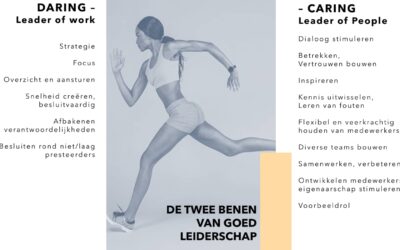
The two legs of good leadership in 2026: reflections from practice
Esther revisits her Caring & Daring leadership model in this article by explaining what the leader of the future needs.

Inclusion is contagious
How kindness, happiness and cooperation spread like a spark from the campfire

Our Takeaways from the Nordic Business Forum
Last month we attended the Nordic Business Forum in Helsinki. These are the insights that stayed with us.

This turbulent time calls for new leaders
And chances are, these leaders are already working for you – you just have not discovered them yet.
Inclusion doesn’t start with policy. It starts with a sentence.
Inclusion doesn’t start with policy, but with behavior. Not with big plans, but in small moments. In a genuine question, a glance of recognition, or the courage to name discomfort. These micromoments help people feel seen and valued and that has a measurable impact on engagement, collaboration, and culture.
But doing the right thing once isn’t enough. Lasting change only happens when micromoments become a habit. By acting one percent more inclusive each day, you build a team where inclusion becomes second nature.

Let’s stop the language lesson around diversity and inclusion
Esther argues in this sharp piece for less jargon and more connection. Because inclusion doesn’t start with acronyms, it starts with real human connection.

The Pleasant Self-Image of the Netherlands: Tolerance with Blind Spots
The Netherlands likes to see itself as tolerant and progressive, but how deeply is that image ingrained? In Uitverkoren, Saskia Pieterse and Janneke Stegeman reveal how moral superiority and selective tolerance are rooted in the country’s Calvinist past. In my reflection on the book, I explore how this still influences Dutch society today – from the role of women to our attitudes toward diversity. How much self-reflection is really present in our national identity?

Everyone Visible: The Impact of Fair Task Distribution
Visible tasks often receive recognition, while invisible work goes unnoticed, impacting career opportunities. This article explores how unconscious biases skew task distribution in teams, disproportionately disadvantaging women. With practical tips for leaders, teams, and individuals, you’ll learn how fair task allocation promotes inclusion and maximizes talent potential.

Real Connection at Work? Focus on What You Share
First impressions shape how you collaborate. Focus on similarities rather than differences to reduce biases and strengthen workplace connections. Read on for practical tips!

Receiving Feedback: From Challenge to Growth
See feedback as a tool to become the best version of yourself. By asking for feedback and involving people with fresh perspectives, you and your team can grow. Read here how to turn this into a habit.
Who actually needs to be motivated – the younger generation or the managers themselves?
Is Generation Z truly unmotivated, or is the problem with the managers? Young employees ask for what everyone needs: clarity, growth, and attention. Perhaps it’s time for leaders to take a look in the mirror.
How may we assist you?
Contact us using the form below or call Robert Smit (+31) 06 54 253 643. He gladly answers any questions you may have.