
Last year, it finally clicked for us: if we really want to move forward with inclusion, we need to talk about it less, and do it more. Not just in policy documents or strategy sessions, but especially in the small, everyday moments in between. Inclusion doesn’t start in formal settings; it starts in the hallway. By the coffee machine. In every meeting. It lives in what you say, what you leave unsaid, and what you choose to notice.
From talking about inclusion to actually doing it.
Inclusion is the key to better teamwork. Teams where people truly feel seen and valued are more enthusiastic, creative, and engaged. Inclusive collaboration isn’t just more pleasant, it’s essential if you really want to understand and serve your clients, customers, or community.
Still, inclusion doesn’t happen automatically. Our brains are wired to think in boxes and look for ways to belong. That’s human, but it can lead to others being excluded. Often unintentionally, but with real impact.
Maybe you’re already doing your absolute best as a colleague or leader, and yet it feels like your team has more potential. And you’re probably right. Diversity starts with hiring, but inclusion requires daily action. Not just at the top, especially on the work floor. Inclusive teams grow from a culture where everyone is invited to contribute. And in that culture, it’s the small moments that make the biggest difference.
Inclusion starts with action.
Below are a few examples of micromoments: small, intentional actions that show someone you see them, value them, and want to include them. Not during the official moments, but in between. In an aside. In a silence where someone finally dares to speak. In a question you hadn’t thought to ask before. That’s where change begins.
In the sentence:
“How do you think I handled this?”
In the gesture:
“Hold on, I’m putting my phone away.”
In the recognition:
“I see what you’re doing for the team, and I appreciate it.”
In the check-in:
“Isn’t this too much work on your plate?”
In the invitation to contribute:
“What are we still missing?”
In the courage to name discomfort:
“That joke didn’t feel right. Humor should be fun for everyone.”
In the willingness to be open:
“Why don’t we just ask them instead of assuming?”
In the appreciation of honesty:
“Thank you for your honesty — it says something good about you.”
Why the small moments matter
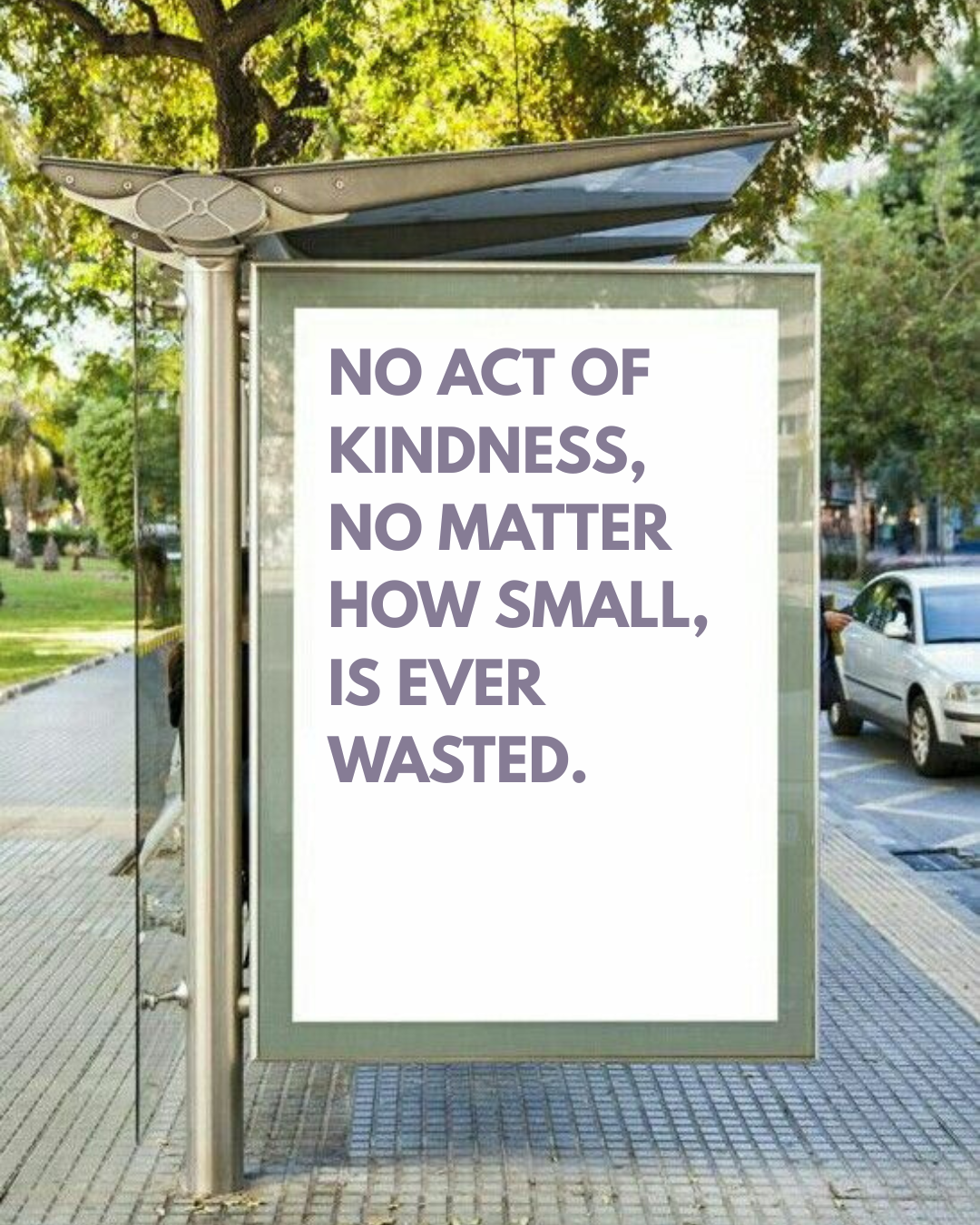
Micromoments do something to people. A single act of kindness can already trigger feel-good hormones, not just in the person who receives it, but also in the person who gives it and in anyone who witnesses it. No gesture is ever wasted.
And it shows in the data. Employees who regularly experience micromoments report up to 76% more connection (Porath et al., 2015), 71% more energy (Stanchak, 2024), and 73% more commitment to achieving shared goals (Porath et al., 2015). Teams where micromoments are the norm see lower turnover (McGonagle, 2014), greater psychological safety (Edmondson, 2009), more creativity (Carmeli, 2015), and better collaboration.
But one kind remark doesn’t build a culture. For that, something else is needed.
From good intention to lasting habit
So how do you make sure a micromoments isn’t just a lucky exception, but a reflex? How do you turn a nice gesture into a new way of working?
By turning intention into habit. Because once your behavior no longer depends on your schedule but runs from your autopilot, it becomes something that lasts.
Habits make it possible to become just a little more inclusive every day. The impact may feel small at first. But know this: one percent more inclusive each day might not sound like much, but by the end of the year, you’re 37 times more inclusive (James Clear, Atomic Habits).
And no, it doesn’t require a radical overhaul. Habits help you make a difference even when you’re busy or tired. Because whether we like it or not, we are creatures of habit.
Behavioral expert Emmalotte helps teams anchor micromoments in daily practice. She is certified in the Tiny Habits method by Stanford professor BJ Fogg and met with him in Las Vegas to ask her final questions about how to make behavioral change truly stick.
Because the real effect isn’t in the one-time compliment, but in the moment that compliment becomes natural. In the ease with which you notice who hasn’t spoken yet. In that brief check-in that’s no longer the exception, but simply how you work together.
Let us help you turn your team into habit builders, not perfect colleagues.
Why habits work
- Because once something becomes a habit, you do it automatically — even when your mind is full.
- Because habits are contagious — the good ones just as much as the bad ones.
- Because small habits ripple out. Into your culture, your team, and yourself.
Real change starts small. And it can start today.
With one sentence. One gesture. One micromoment.
Those small moments are what convince your brain that inclusion is worth it. But the real difference only comes when you repeat them. Not once and done, but often enough that they become second nature. So inclusion is no longer an extra task, but a natural part of how you collaborate, lead, and grow as a team.