
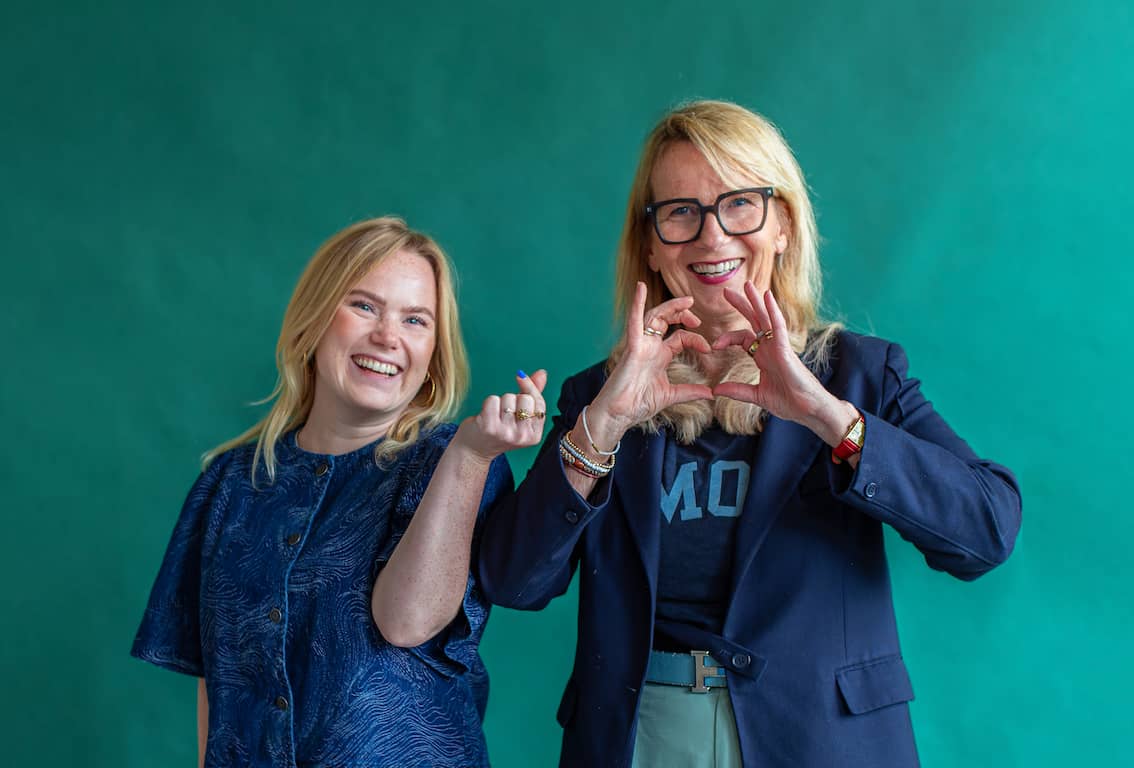
Esther and her daughter Emmalotte
I often hear it from many of my clients: managers complaining about the younger generation in the workplace. Just recently, a manager told me: ‘You should be glad if those Gen Z employees even show up for work!’ The frustration is palpable. Gen Z is often labeled as unmotivated, unwilling to work, and overly demanding. But is that really true? Or does the problem perhaps lie closer to home – with the managers themselves?
The Leadership Mirror
What many of these complaining managers overlook is that research into good leadership and organizational management has long revealed what motivates employees, both young and old. What Gen Z wants isn’t unique or unreasonable. In fact, they are the very elements that inspire and engage every employee:
Opportunities for Growth
Young employees want to develop their skills and challenge themselves. They seek a place where they don’t just complete tasks but can truly grow. This, by the way, isn’t exclusive to Gen Z – who would want a career without development?
Clarity and Efficiency
They want clear expectations, effective coordination, and a well-functioning organization. And let’s be honest, who wants to waste time on redundant work or dull, unnecessary tasks? This isn’t a ‘young people thing’; it’s a human need for meaningful work.
Personal Attention and Feedback
Gen Z asks for personal attention from their leaders and actionable feedback that helps them improve. This may sometimes look like ‘demanding behavior,’ but it’s actually a basic principle of good leadership. Employees thrive when they feel heard and know how to get better.
Are Young Employees Truly Unmotivated?
Still, many managers see the departure of young employees as confirmation of their judgment: ‘See? They’re just not motivated.’ But perhaps those same managers should ask themselves if they’re providing the kind of leadership that younger generations – and, in fact, all employees – need. After all, an employee leaving often says more about the manager than about the person who’s walking out the door.

Take another look at the hands of Esther and Emmalotte: Esther portrays ‘love’ in the way her generation does, and Emmalotte in the way hers does. Both express love in the way they know best.
Good leadership is timeless.
Let’s be honest: it’s easy to point fingers at a new generation. But leadership sometimes requires a look in the mirror. Ask yourself: am I giving my team what they need to grow and stay engaged? Am I creating a workplace where talent is seen, heard, and nurtured? Or am I stuck in outdated ways of working that no longer fit today’s world?
The demands of Gen Z aren’t a passing trend. They are universal needs that, when addressed, make every organization stronger. So maybe it’s not the younger generation that needs to change, but the managers themselves.