Interview for cepezeds
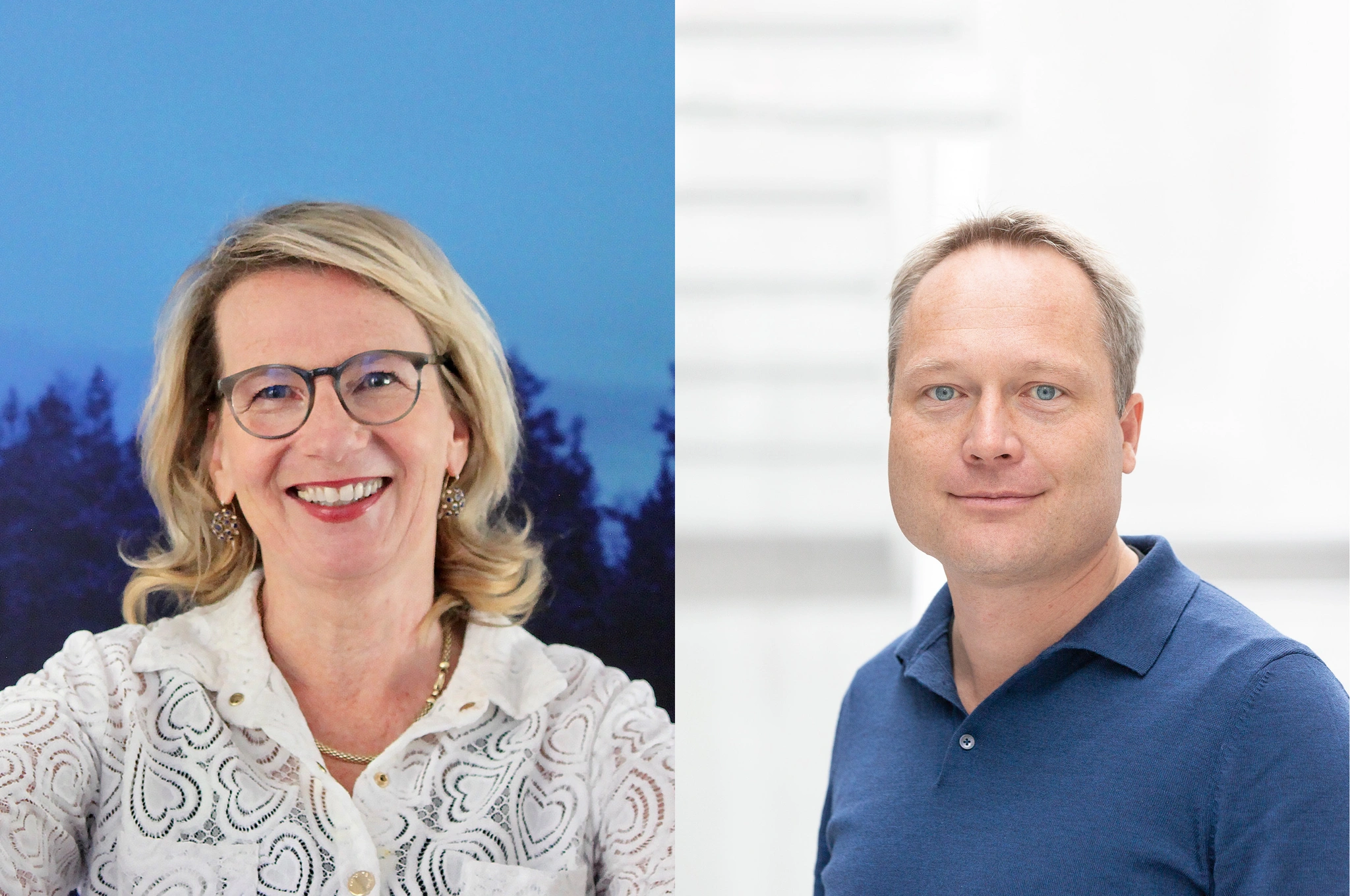
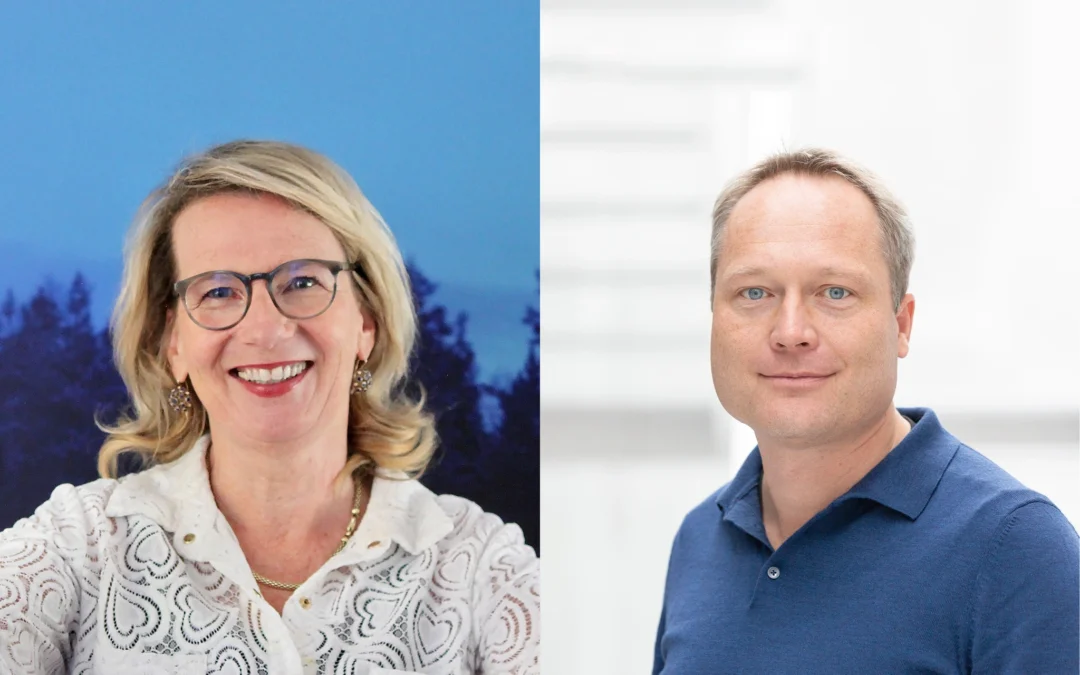
Ronald Schleurholts asked Esther for an interview to reflect on the 50th anniversary of cepezed and to discuss the future of both their ‘kit of parts’ architecture and the company culture, specifically considering whether they are resilient enough in light of diversity and inclusion. Thank you, Ronald and cepezed, for the insightful conversation.
Cepezed’s “kit of parts” architecture appears to be quite future-proof, but does the same hold true for our company culture? Ronald Schleurholts (cepezed partner) spoke with researcher and advisor Esther Mollema about the ideal team composition and managing differences.
Esther: “Who are you celebrating this 50th anniversary with?”
Ronald: “Primarily with each other, although there will also be a party with invited guests, and we will share our ‘anniversary findings’ on a public website. As part of the anniversary, we are exploring the future—of architecture, but also of the company culture. For instance, is our team diverse enough to face the future?”
Esther: “Future-proofing starts with the willingness to continuously improve your organization. This concerns the quality of leadership and employees, but also an open atmosphere where the status quo can be questioned. Is there psychological safety and readiness to take action? A good leader has a coaching attitude and can make decisions quickly. Good employees are flexible and willing to collaborate.”
Ronald: “Does the size of the firm have any impact on this?”
Esther: “Not really. Regardless of how large an organization is, the culture is determined by the leaders. Your behavior is contagious. If the organization grows to the point where distance develops, think about your behavior.”
Ronald: “We recently started organizing roundtable discussions where the partners don’t speak, just listen. The idea is to bridge the gap, but perhaps it’s too artificial?”
Esther: “No, it’s actually a very good approach! It’s important, however, to show that you’ve heard people. You can follow up with more questions and explain what you will do with the feedback; not everyone automatically understands this. But it’s not a free-for-all! The focus is on reflection—everyone can have their say, but you, the partners, make the decisions.”
Ronald: “Sometimes I feel that employees’ expectations and the best way to manage them vary by generation.”
Esther: “I often get questions about Generation Z. These individuals have been raised with a lot of praise. They have a strong need to talk with you and expect that if they’re new, you will check in after just a week to see how things are going. Whereas when we were young, that might have happened after six months.”
Ronald: “Is this really a cultural shift? You have more and less driven people in every generation, right? And each generation thinks the next one is completely different.”
Esther: “It is definitely a cultural shift. Parents now spend more time with their children, and schools have moved away from punishments. Generation Z has faced fewer setbacks. Their focus is more on fulfilling small dreams and less on long-term commitment. Their ambition lies in things that are close to them. Nowadays, companies offer various small promotions just to keep people. This generation will leave if they don’t get what they want. Very different from my father, who said, ‘Who ever told you to work is supposed to be fun?’ when my first job disappointed me, and I stayed there for another two years. The funny thing is that the interaction moments Generation Z demands are actually desirable for everyone.”
Ronald: “At least within our team, there’s a nice balance of ages. But the gender ratio is another matter; we have significantly more men than women.”
Esther: “While the proportion of women studying architecture is quite large.”
Ronald: “That’s the strange thing. It used to be fifty-fifty at university, and now women are even in the majority. Maybe our designs are too technical?”
Esther: “It’s important to find out where things go wrong in the pipeline. Are there unconscious biases? Is it the firm’s image? Are fewer women applying, or do you think you are rejecting them? What’s in the job ad? Which channels do you use to reach out—are you fishing in your own pond? Who conducts the interviews—are they both men? If women leave over time, it could be related to who is mentoring them or the lack of women in senior roles. These women are role models, and the possibility of that position needs to be visible to younger women.”
Ronald: “We haven’t considered it this way before. It would be good to thoroughly examine these questions.”
Esther: “It can be quite challenging to pinpoint the problem. If you really want to make changes in this area, you could choose to offer internships specifically to women, or only hire women for the next two years. The men will come back eventually. Just take that hit—the faster you do, the sooner you’ll become the organization of the future. All research shows that a diverse organization is more creative. And diversity starts with inclusion. This is about collaboration, understanding each other, and not remaining stuck in your own perspective. This greatly impacts collective performance—more creativity means more productivity. It’s a matter of policy and future vision. This also includes the question of whether you want to be an international company and what that means for the company’s language. And it’s about cultural diversity, which also enhances creativity. Additionally, diversity is good for client relations. A diverse team hears more and different things, making the client feel more seen.”
Ronald: “We like to believe that we don’t make distinctions in who we hire. Doesn’t the process become very complicated if everything—gender, age, cultural background—has to be balanced?”
Esther: “A purely numerical approach is indeed a dead end. Before a hiring round, identify the essential qualities needed—no more than five. Then see if a candidate brings diversity to the team or a different perspective. Remember, it’s not pleasant to work in an organization where you’re always in the minority. Research shows that when you’re below 30 percent, you can’t help but adapt to the organization’s norms.”
Ronald: “So, you adapt to the company culture, and if it’s far from your own, you lose a part of yourself?”
Esther: “If you don’t want to lose your identity, you have to actively work on it. That takes energy, just like constantly adapting does. It makes it very difficult to be brilliant.”
Ronald Schleurholts is an architect and partner at cepezed
Esther Mollema is an expert in high-performance leadership (HPO), diversity & inclusion, and unconscious bias.